




Strong cement. Lighter footprint.
Priya Cement measures sustainability through the impact of every operational decision. From reducing product carbon footprints and generating cleaner energy to conserving water, restoring mined land and protecting biodiversity, Priya Cement manufactures cement responsibly while delivering the performance customers expect.

How Priya Cement manufactures responsibly
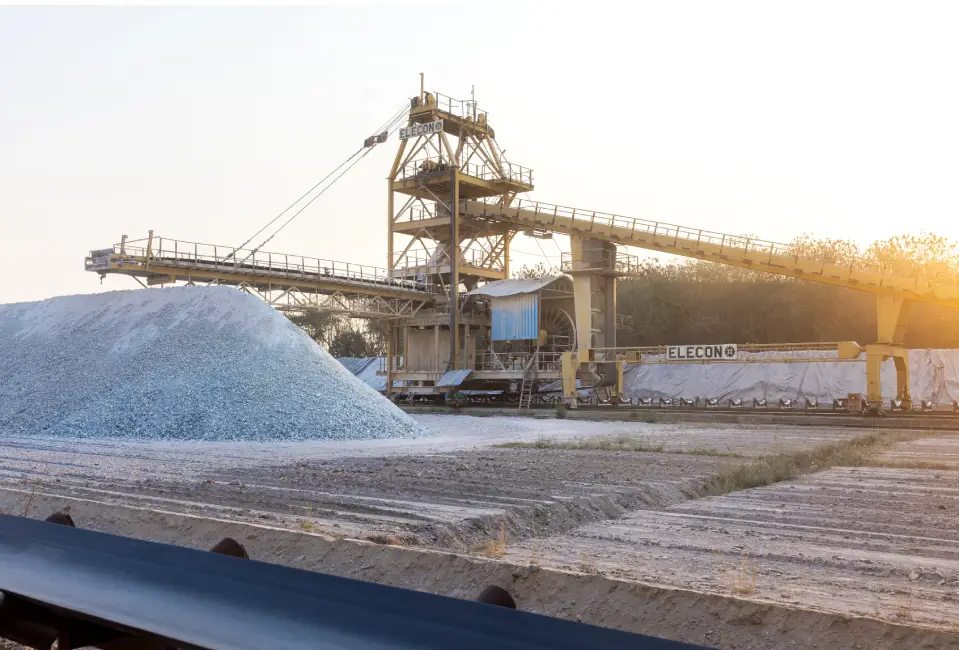
Circular Economy
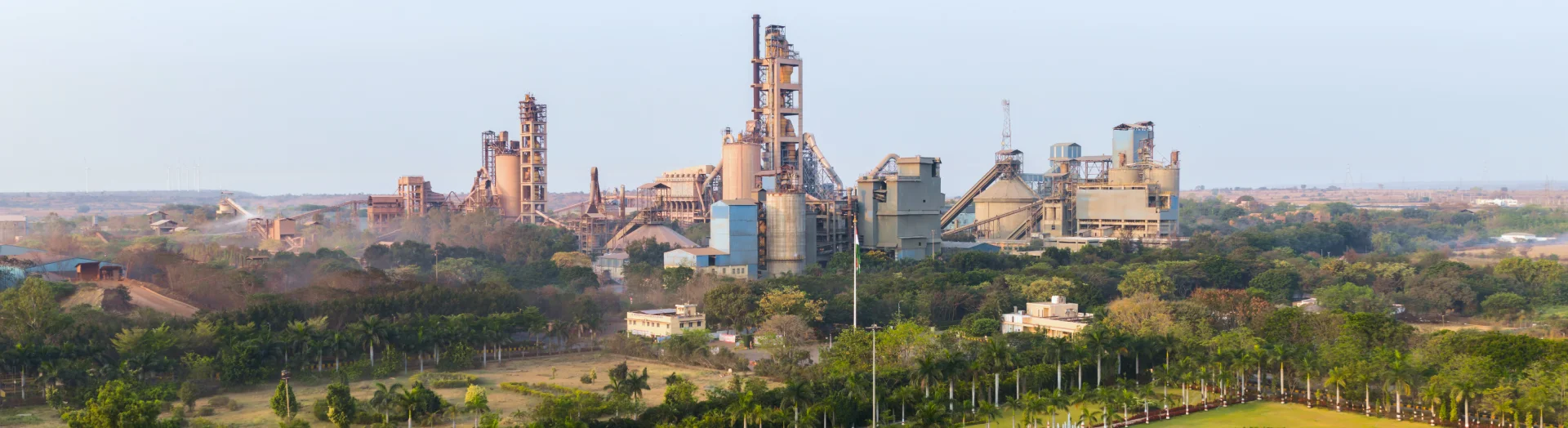
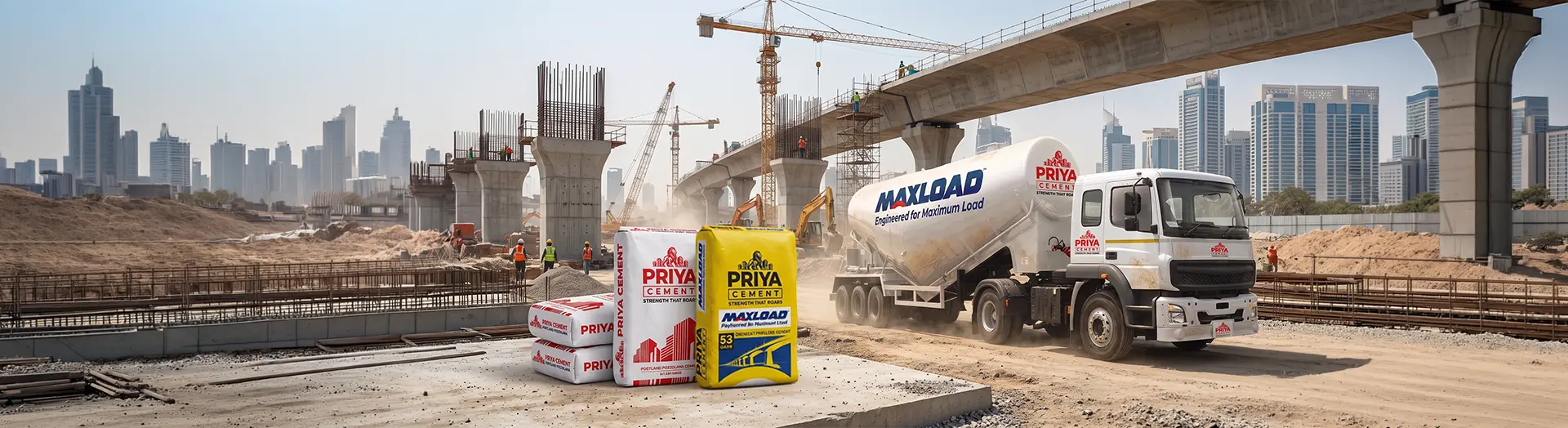
Clinker is the most carbon-intensive ingredient in cement because its production requires heating limestone to extremely high temperatures, releasing significant CO₂. At Priya Cement, fly ash, a by-product of coal-fired thermal power plants, replaces clinker in every bag of PPC. This reduces carbon emissions while diverting industrial waste from landfill.
0
Clinker replaced with fly ash
0
Waste diverted from landfill


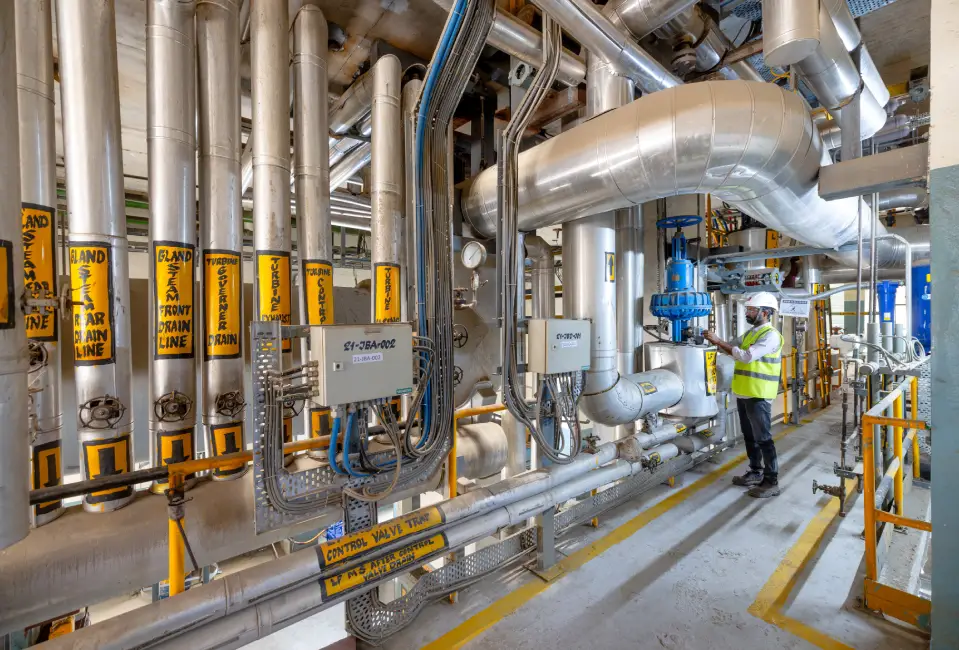
Energy and Emissions
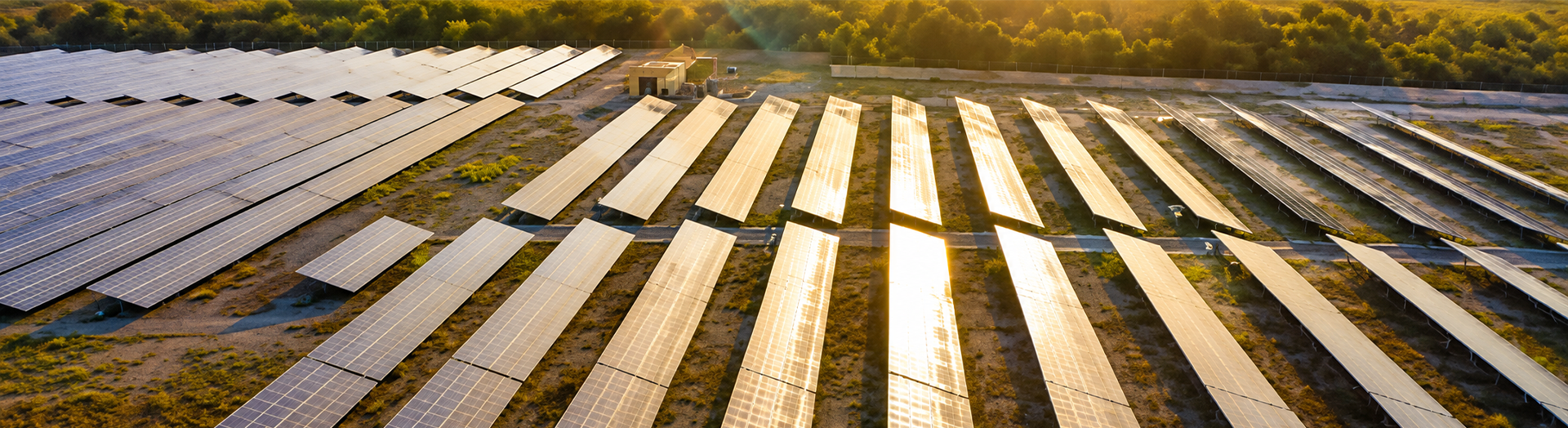
Cement kilns operate at temperatures exceeding 1,400 °C, generating heat that would otherwise go to waste. At Priya Cement, Waste Heat Recovery (WHR) systems capture this heat and convert it into electricity. Together with ground-mounted solar installations, these systems generate a significant share of the energy consumed across the company's plants.
0
Self-generated energy
0
Total WHR capacity
0
Total solar capacity
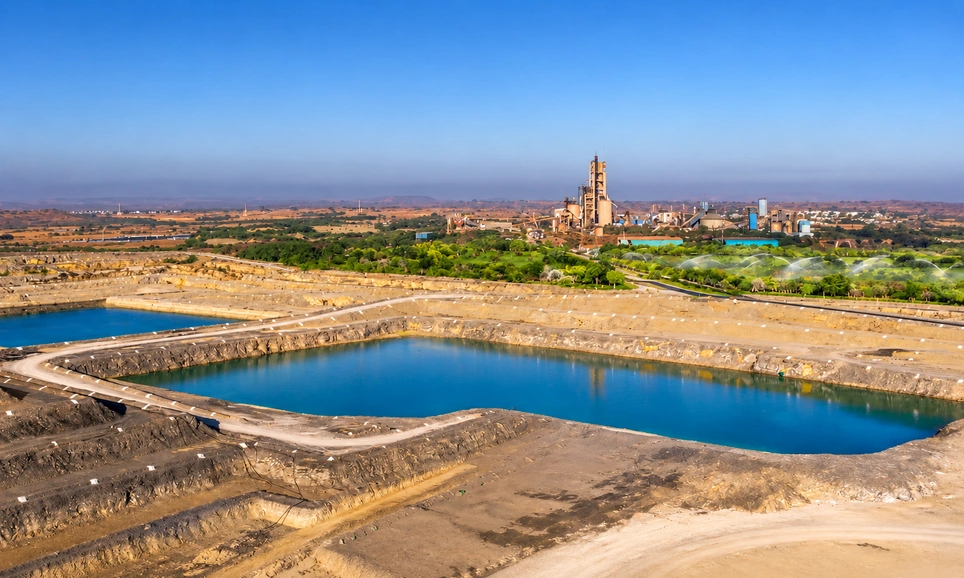
Water Stewardship
Cement manufacturing requires significant amounts of water for cooling, dust suppression and plant operations. Priya Cement captures monsoon rainwater in mined-out pits, recharges groundwater and irrigates its campuses through drip and sprinkler systems. These measures reduce freshwater consumption and help protect local aquifers.
0
Mine pits repurposed for rainwater harvesting
Net ZERO Water
Long-term ambition
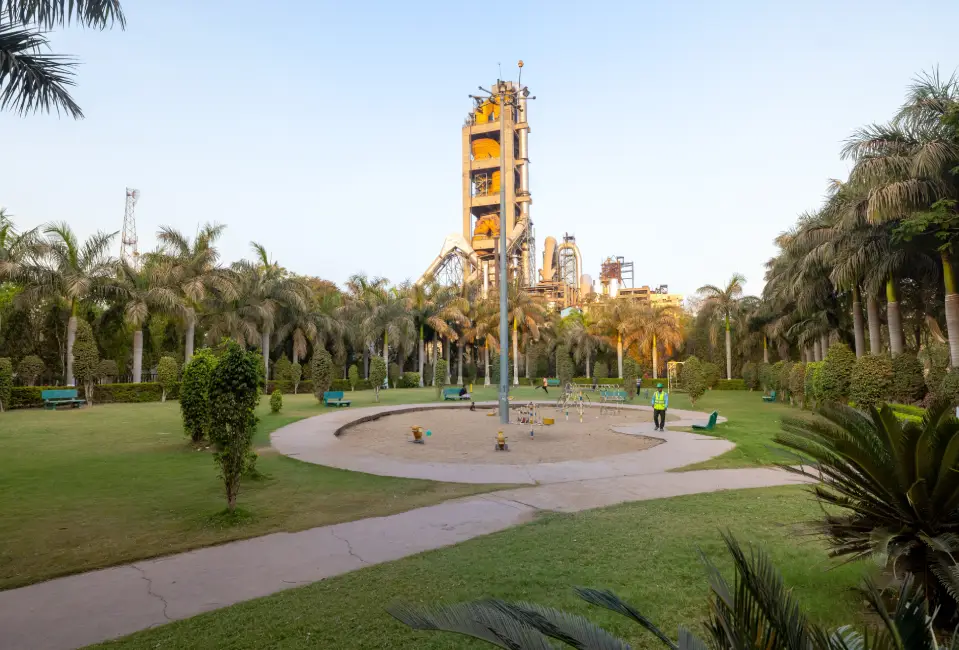
Environmental Stewardship
Land restoration, biodiversity and waste management are active priorities at both Priya Cement plants. We restore mined land, maintain extensive green cover and manage waste responsibly across all our operations.
0 Lakh +
Trees planted
0
Saplings every year
0
Survival rate

5-Star
For Sustainable Mining